


Short Answer: The best xeriscape front yards in Tucson combine native plants, gravel or decomposed granite, a few bold focal plants, defined pathways, and efficient drip irrigation. They use far less water than a traditional lawn and still look polished all year. Good landscape design in Tucson helps you choose the right mix for your sun, soil, and style.
A front yard is the first thing guests, neighbours, and buyers see. In Tucson, it also needs to survive triple-digit summers and sudden monsoon storms. Xeriscaping, which means designing for low water use, solves both problems. Here are ten ideas that look good and work well in the desert.
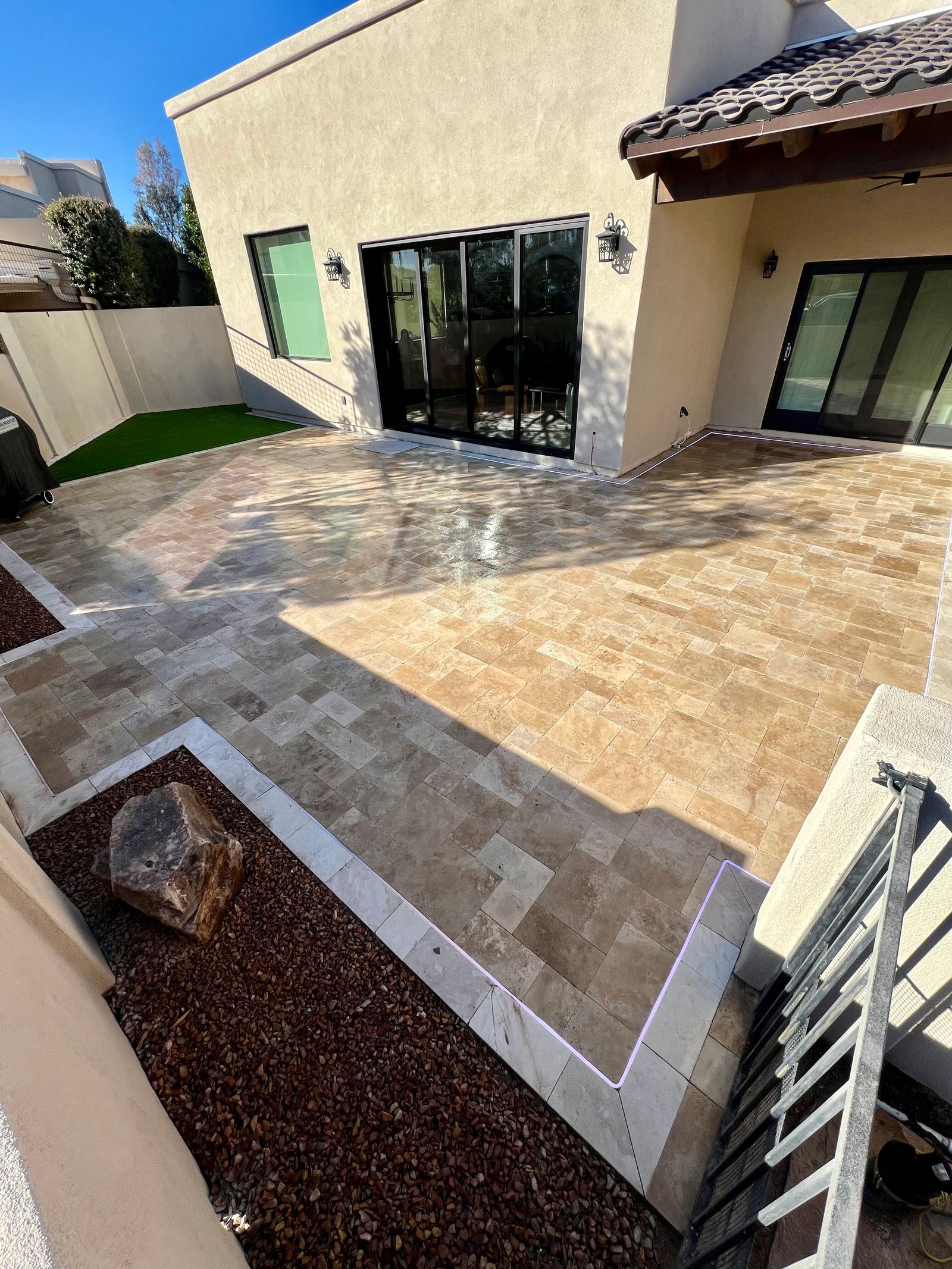
1. Define the Space With Gravel or Decomposed Granite
Ground cover sets the tone for the whole yard.
Why it works:
- Replaces thirsty lawn with a clean, low-maintenance surface
- Comes in many colours to match your home’s exterior
- Helps water soak in instead of running off
Edge your beds with steel or stone so the lines stay crisp over time.
2. Build Around One Bold Focal Plant
A single standout plant makes the yard feel designed rather than random.
Good choices:
- Large agave for sculptural shape
- Ocotillo for a tall, dramatic silhouette
- Golden barrel cactus for rounded, sunny structure
Give your focal plant breathing room so it can be seen from the street.
3. Layer in Native Flowering Plants
Colour doesn’t have to cost much water.
Reliable Tucson options:
- Desert marigold for bright yellow blooms
- Red yucca for tall coral spikes
- Texas ranger for purple blooms after summer rain
- Fairy duster for soft pink texture
Group plants with similar water needs so irrigation stays simple.
4. Add a Curving or Geometric Pathway
A clear path guides visitors to your door and adds structure.
Ideas to try:
- Flagstone or pavers set in gravel for a natural look
- Straight-lined concrete or paver strips for a modern feel
- A gentle curve that leads the eye through your plantings
5. Use Boulders and Natural Stone
Rocks give a desert yard weight and permanence.
How to use them:
- Place larger boulders in odd-numbered groupings for a natural feel
- Partly bury them so they look like they belong
- Pair stone with low plants to soften the edges
6. Create a Dry Creek Bed
This feature is both decorative and practical, especially during monsoon season.
Why homeowners love it:
- Directs runoff away from the house
- Adds a natural, flowing line through the yard
- Looks attractive even when completely dry
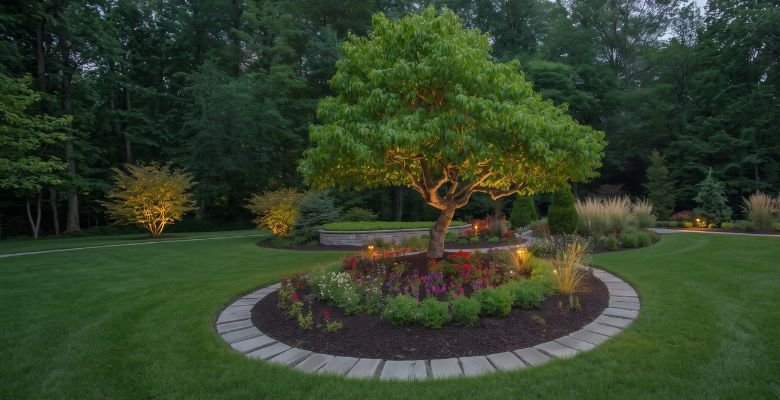
7. Plant a Small Shade Tree
One well-placed tree can cool your home and soften a bare front yard.
Good choices:
- Palo verde for light, filtered shade and spring colour
- Desert willow for flowers through the warm months
- Mesquite for broader shade
Plant away from walls, pipes, and walkways, since roots and canopies grow larger over time.
8. Light the Yard After Dark
A xeriscape yard can look striking at night, and lighting adds safety and curb appeal. Thoughtful landscape lighting Tucson, AZ homeowners choose often includes soft uplighting on agave and cacti, low path lights along walkways, and a gentle wash on the house itself. Keep fixtures warm in tone and low in glare so the plants stay the star. Low-voltage systems are popular because they’re energy-efficient and easy to adjust.
9. Add Colour With Pots and Accents
Not every colour has to come from plants in the ground.
Easy ideas:
- Large glazed pots in blue, terracotta, or cobalt beside the entry
- A painted door or house number that ties to your palette
- Metal or ceramic art pieces that suit desert style
10. Plan Your Water Delivery From the Start
Even a low-water yard needs a smart watering plan, especially in the first year or two.
What to include:
- Drip irrigation zoned by plant type
- A controller you can adjust seasonally
- Mulch or gravel to reduce evaporation
Design Tips Before You Start
- Choose three or four repeating plants instead of ten different ones
- Check each plant’s mature size so nothing crowds a path
- Group plants by water needs
- Plant in fall when roots can settle before summer heat
- Think about how the yard looks from the street, not just from the doorstep
Common Mistakes to Avoid
- Covering everything in gravel with no plants or structure
- Planting too closely, then fighting overgrowth later
- Skipping irrigation planning because plants are “drought-tolerant”
- Using plastic sheeting under gravel, which can trap water and cause drainage issues
- Ignoring how the yard looks at night
Bringing It All Together
A great xeriscape front yard isn’t about taking things away. It’s about choosing the right plants, materials, and layout for the desert. Even the toughest plants depend on a working watering system, and leaks, clogged emitters, or failing timers can waste water and stress your plants quickly. If your system is acting up, timely irrigation system repair Tucson homeowners can rely on keeps the yard healthy and avoids costly replanting later.
At Legacy Landscaping and Design, we help Tucson, Marana, and Oro Valley homeowners create front yards that look intentional, use less water, and hold up to our climate. If you’re planning a refresh this year, we’re happy to walk you through which of these ideas suit your home.
Frequently Asked Questions
Does a xeriscape yard really use less water than a lawn?
Yes, significantly less. Once native plants are established, most need only occasional deep watering, mainly during the hottest, driest stretches.
Will a gravel front yard look bare or boring?
Not if you add structure and variety. Focal plants, boulders, pathways, and lighting help it feel layered and welcoming rather than empty.
When is the best time to plant a xeriscape yard in Tucson?
Fall is generally ideal, since roots have time to settle before summer heat arrives. Spring can also work, but new plants will need extra watering through summer.
Can I add lighting to an existing front yard?
Yes, many systems can be added without a full redesign. A site visit helps identify the best fixture locations and wiring routes.
Do xeriscape plants still need irrigation?
Yes, especially during the first year or two while roots establish. After that, a well-set drip system with seasonal adjustments is usually enough.