


Short Answer: Decomposed granite (DG) is better for walkways, patios, and areas you walk on often because it packs down firm. Gravel is better for drainage, planting beds, and spots where you want a looser, bolder look. Many yards use both. The right mix is a key part of good Tucson landscape design, since it affects comfort, maintenance, and how your yard handles monsoon rain.
Why Ground Cover Matters in Tucson
In the desert, the ground covering is more than decoration. It shapes how your yard looks, feels, and handles heat, dust, and storms. It also affects how much weeding and upkeep you’ll face.
Gravel and decomposed granite are two of the most popular choices. They look similar from far away, but they behave very differently up close.
What Is Decomposed Granite?
Decomposed granite is crushed granite broken down into small pieces, from sand-sized grains to small pebbles. It comes in natural desert tones like tan, gold, and rust.
Key traits:
- Packs down into a firm, fairly smooth surface
- Gives a natural, soft desert look
- Works well for paths, patios, and seating areas
- Can be stabilized with a binder for extra strength
What Is Gravel?
Gravel is made of larger rock pieces, often rounded or angular, in sizes from small pebbles to larger stones. Colors range from warm browns to grays and mixed tones.
Key traits:
- Stays loose and lets water drain easily
- Offers a bolder, more textured look
- Works well in planting beds, borders, and drainage areas
- Comes in many sizes and colors
Pros and Cons of Decomposed Granite
Pros
- Firm and comfortable to walk on
- Natural desert look
- Good for paths and patios
- Often easy to rake and refresh
- Can be compacted for a stable base
Cons
- Can wash away in heavy monsoon runoff if not edged or stabilized
- May track into the house on shoes and pet paws
- Can look dusty in dry weather
- Needs regular topping up over time
Pros and Cons of Gravel
Pros
- Excellent drainage
- Bold, decorative look
- Stays in place better on flat areas
- Helps hold back weeds when installed well
- Wide range of colors and sizes
Cons
- Uncomfortable for barefoot walking
- Hard to roll furniture, strollers, or wheelchairs across
- Can scatter into lawns, patios, and driveways
- Can be harder to rake and level
Side-by-Side Comparison
| Feature | Decomposed Granite | Gravel |
| Walkability | Firm and comfortable | Loose and uneven |
| Drainage | Good, but can compact | Excellent |
| Monsoon performance | May erode without edging | Stays put better on flat areas |
| Look | Soft, natural desert | Bold and textured |
| Best for | Paths, patios, seating areas | Planting beds, borders, drainage |
| Maintenance | Rake and top up | Rake and remove debris |
| Tracking indoors | More likely | Less likely |
How Each Handles Tucson Heat
Both materials soak up sun and radiate heat, especially in dark colors. Lighter tones reflect more sunlight and usually feel more comfortable. Shade from trees like palo verde or mesquite makes a big difference for walkways and seating areas, whichever material you choose.

How Each Handles Monsoon Season
Monsoon storms bring heavy rain in short bursts. Water that runs across your yard can carry loose material with it.
- Gravel drains well and is heavy enough to stay put on flat areas, though it can shift on slopes.
- Decomposed granite can wash away if the yard isn’t graded and edged properly. Stabilized DG holds up better.
Good grading, edging, and channels for runoff matter just as much as the material. This is where an experienced landscape architect Tucson, AZ homeowners trust can help. They plan slopes, drainage paths, and edging so your ground cover stays where you put it, and so water moves away from your home instead of toward it.
Weeds and Maintenance
Neither material is completely weed-proof. Seeds blow in, and roots can find their way through.
Simple tips:
- Prepare the soil well before installing
- Use quality landscape fabric or a pre-emergent where suitable
- Install a layer about two to three inches deep
- Use edging to keep material in place
- Pull weeds early, before they set seed
- Rake and refresh the surface once or twice a year
Where Each One Works Best
Choose decomposed granite for:
- Garden paths and walkways
- Patios and fire pit areas
- Dog runs and play areas
- A natural, soft desert feel
Choose gravel for:
- Planting beds around cactus, agave, and shrubs
- Dry creek beds and drainage areas
- Borders around pavers
- Areas you rarely walk on
Use both when:
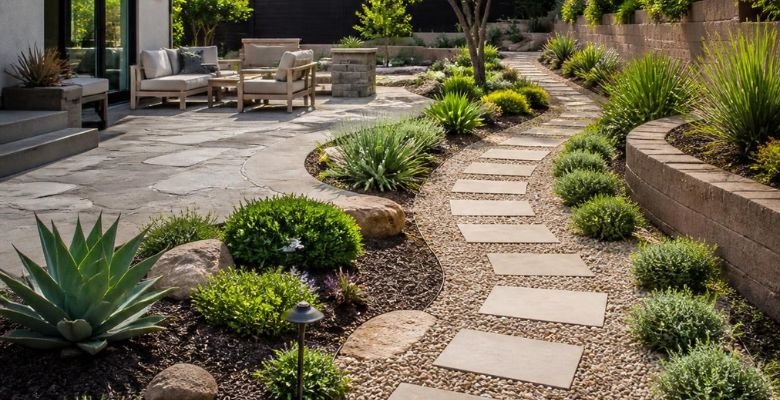
- You want a firm path surrounded by decorative gravel beds
- You need drainage in one area and walkability in another
Think About Your Whole Yard
Ground cover works best when it’s planned with plants, hardscape, irrigation, and lighting. For example, DG paths can lead to a paver patio, while gravel beds frame native plants like agave, desert spoon, and cascalote. Keep drip irrigation lines in mind so you don’t bury or damage them when adding material.
If you’re comparing Tucson landscaping companies, ask how they plan ground cover, drainage, and edging, and whether they can show you finished projects after a few seasons. Photos taken after a monsoon tell you more than photos from installation day.
Why Local Experience Helps
Every yard has its own slope, soil, and sun. Local teams understand how materials behave in Tucson’s heat, dust, and storms, and can recommend what will last. Legacy Landscaping and Design serves Tucson, Marana, Oro Valley, and nearby areas with design, installation, and maintenance for homes and businesses. Many strong results start with careful planning for landscaping Tucson families enjoy year-round, then add details like lighting and shade.
Don’t Forget the Evenings
Once your ground cover is in, lighting can make the space shine. Soft path lights along a DG walkway or uplights in a gravel bed highlight textures and keep walkways safe. When you’re planning landscape lighting, Tucson, AZ residents enjoy choosing warm, shielded fixtures and plan wiring before you spread the material. It’s far easier than digging into compacted DG later.
Ready to Plan Your Yard?
Both gravel and decomposed granite can look great and work well. The best choice depends on how you use your space and how your yard handles water. If you’d like help choosing, visit Legacy Landscaping and Design to connect with Legacy Landscaping and Design.
Frequently Asked Questions
1. Is decomposed granite or gravel cheaper?
It varies by type, color, and installation. Compare written estimates, including base prep and edging, not just material costs.
2. Which is better for walkways?
Decomposed granite is usually better because it packs firm and is more comfortable to walk on.
3. Does decomposed granite wash away in monsoon rain?
It can if the yard isn’t graded and edged well. Stabilized DG and good drainage planning help.
4. Can I use both in the same yard?
Yes, many homeowners use DG for paths and gravel for planting beds and drainage areas.
5. How deep should the layer be?
Typically about two to three inches, depending on the use. A pro can advise based on your yard.