


Short Answer: Artificial turf generally outperforms natural grass in Tucson’s climate, since it skips the heavy water use, constant mowing, and summer die-back that real grass struggles with here. Natural grass still has its place for cooler, shaded areas or homeowners who prefer the authentic feel underfoot, but most landscaping Tucson projects now lean toward turf for the bulk of the yard, paired with real plants for color and texture.
Choosing between artificial turf and natural grass is one of the most common decisions Tucson homeowners face, and the right answer depends on water use, maintenance tolerance, and how the space will actually be used. Here’s an honest comparison.
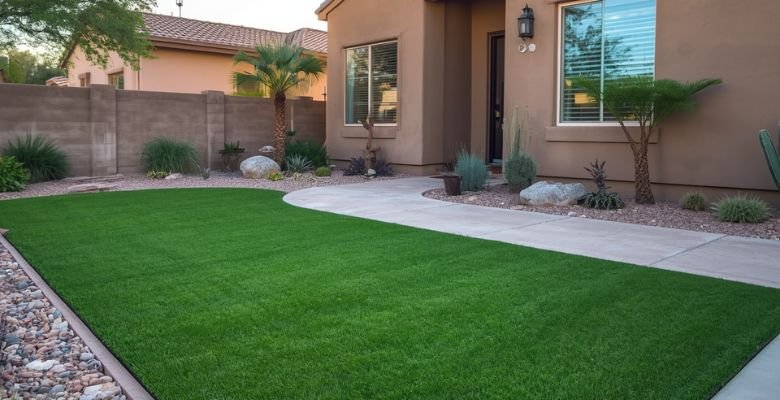
Why This Decision Is Different in Tucson
Grass evolved for climates with regular rainfall and milder summers, not triple-digit heat and months without meaningful rain. That mismatch is exactly why so many Tucson yards struggle to keep a traditional lawn looking healthy without constant watering, and why artificial turf has become such a popular alternative here specifically.
Natural Grass: The Case For
Real grass still has genuine appeal, and it’s not automatically the wrong choice.
Advantages of natural grass:
- Authentic feel and look that some homeowners simply prefer
- Cooler surface temperature than many hardscape materials in shaded areas
- Can support natural drainage and soil health when properly maintained
- Lower upfront cost compared to turf installation
Where natural grass struggles in Tucson:
- High water demand, especially through summer months
- Frequent mowing, fertilizing, and pest management
- Browning or dying back during extreme heat, even with regular watering
- Struggles in full, unshaded sun exposure common across most Tucson yards
Artificial Turf: The Case For
Turf has become a go-to solution for Tucson homeowners who want a green, usable space without the upkeep.
Advantages of artificial turf:
- No watering, mowing, or fertilizing required
- Stays green and consistent year-round, regardless of drought conditions
- Comfortable, soft surface for kids, pets, or bare feet
- Significant long-term water savings, which matters in a desert climate
Where artificial turf can fall short:
- Higher upfront installation cost than seeding or sodding natural grass
- Can retain heat in direct summer sun if lower-quality or improperly installed
- Requires proper drainage layers underneath to avoid pooling or odor issues
- Not ideal for very large areas, where cost adds up compared to other ground covers
Side-by-Side Comparison
| Factor | Natural Grass | Artificial Turf |
| Water use | High, especially in summer | None |
| Maintenance | Regular mowing, fertilizing | Occasional rinsing, brushing |
| Appearance year-round | Can brown or die back | Consistent green |
| Upfront cost | Lower | Higher |
| Comfort underfoot | Natural, cool in shade | Soft, but can retain heat in sun |
| Best for | Shaded, smaller areas | Play areas, pet zones, full yards |
What Should Actually Guide Your Decision
Natural grass may make sense when:
- The area gets significant shade for most of the day
- You’re working with a smaller, easily maintained space
- Budget is the main priority over long-term water savings
- You genuinely prefer the feel and smell of real grass
Artificial turf tends to make sense when:
- You want a defined green space without ongoing water and maintenance costs
- Kids or pets will use the area regularly
- The space gets full sun exposure for most of the day
- You’re prioritizing long-term savings over lower upfront cost
Why Installation Quality Matters So Much
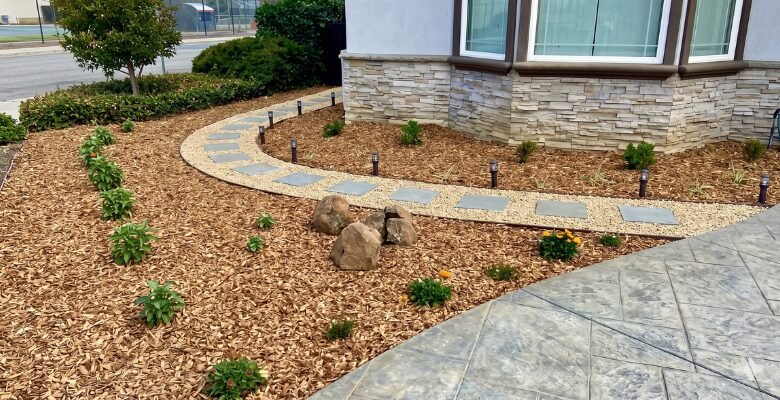
Whichever option you choose, how it’s installed affects the outcome just as much as the material itself. Natural grass needs the right soil prep, irrigation zoning, and sun-appropriate variety to survive Tucson’s heat. Artificial turf needs proper base compaction, drainage layers, and heat-rated material to avoid pooling, odor, or excessive surface heat. This is where working with an experienced team for landscape design & installation genuinely pays off, since a poorly installed option of either type tends to fail within a season or two.
Pairing Turf With the Right Plants
A well-planned yard rarely relies on turf or grass alone. Many Tucson homeowners surround a defined turf area with drought-tolerant plants for color and texture. Bush morning glory, with its soft silvery foliage and white blooms, is a popular choice for exactly this purpose, since it handles Tucson’s heat well while softening the edges of a turf or gravel area. Pairing a small, functional patch of turf with plants like this creates a yard that feels layered and intentional rather than one flat expanse of green.
Don’t Forget Lighting
Whichever ground cover you choose, the yard isn’t complete without a plan for evenings. Well-placed outdoor lighting Tucson homeowners add along turf edges, pathways, or statement plants extends how the space can be used once the sun goes down, which matters even more once temperatures cool off in the evening during the hottest months.
Common Mistakes to Avoid
- Installing a large natural lawn in full sun without a realistic watering plan
- Choosing low-quality turf that retains excessive heat or fades quickly
- Skipping proper drainage preparation under turf, leading to pooling or odor
- Assuming turf requires zero maintenance at all, when occasional rinsing and brushing still matter
- Not considering how the ground cover will connect with surrounding plants and hardscaping
Bringing It All Together
Both natural grass and artificial turf can work in Tucson, but turf generally wins for most homeowners here, simply because it removes the water demand and maintenance that make real grass such a challenge in this climate. Natural grass still has a place in shaded, smaller areas or for those who prefer its authentic feel, but for most full-sun Tucson yards, turf paired with drought-tolerant plants tends to deliver the best long-term results.
At Legacy Landscaping, we help Tucson, Marana, and Oro Valley homeowners figure out the right mix of turf, natural grass, planting, and lighting for their specific yard and lifestyle. If you’re weighing artificial turf against natural grass for an upcoming project, we’re happy to walk you through what makes sense for your space.
Frequently Asked Questions
Does artificial turf really save that much water compared to grass?
Yes, significantly. Natural grass in Tucson often needs frequent watering through summer, while turf requires none once installed.
Can artificial turf get too hot to walk on barefoot?
Lower-quality turf can retain heat, but properly selected, heat-rated turf with the right infill performs much better underfoot.
Is natural grass ever a better choice in Tucson?
Yes, particularly in shaded areas or smaller spaces where water use and maintenance are easier to manage.
What plants pair well with a small turf area?
Drought-tolerant options like bush morning glory add color and texture while still handling Tucson’s heat well.
Does turf installation require professional help?
Yes, proper base preparation and drainage are essential for turf to perform well and avoid issues like pooling or odor.