


Short Answer: The best plants for Tucson are native, heat-loving species like palo verde, ocotillo, agave, brittlebush, and prickly pear. They need little water once established, handle triple-digit summers, and attract birds and pollinators. Choosing the right plants is the foundation of good Tucson landscape design, and it saves you time, water, and money.
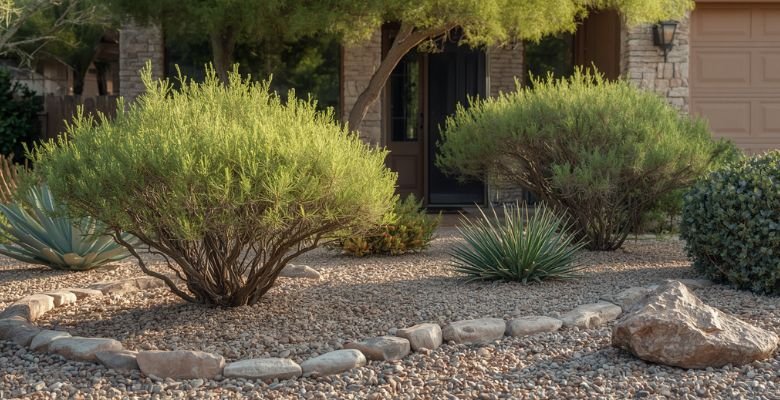
Why Native Plants Make Sense in the Desert
Tucson is a tough place for plants. We get intense sun, dry air, alkaline soil, short bursts of monsoon rain, and the occasional winter frost. Plants that evolved here already know how to handle all of it.
That’s why more homeowners are choosing native and drought-tolerant options for their front and back yards. Whether you’re after simple Tucson, AZ landscaping or a full backyard makeover, these plants give you color, shade, and texture without constant care.
Quick benefits of going native:
- Lower water bills
- Less pruning and fertilizing
- Support for hummingbirds, bees, and butterflies
- A yard that looks like it belongs in the Sonoran Desert
Trees and Large Shrubs
1. Palo Verde: Famous for its green bark and bright yellow spring blooms. It gives light, filtered shade and is a Tucson favorite.
2. Desert Willow: Despite the name, it’s a desert-friendly small tree with pretty trumpet-shaped flowers that hummingbirds love.
3. Velvet Mesquite: A tough, fast-growing shade tree. Give it room, since it can get large.
4. Ocotillo: Spiky, sculptural stems that burst with red-orange flowers. It looks bare in dry spells but leafs out quickly after rain.
Bold Accent Plants
5. Parry’s Agave: A neat, rounded rosette with a blue-gray color that stands out beautifully against gravel and pavers.
6. Desert Spoon: Long, fountain-like leaves that add instant drama. Great for modern desert designs.
7. Red Yucca: Not a true yucca, but it’s very well adapted here. Its coral flower spikes bloom for months and attract hummingbirds.
8. Creosote Bush: A true Sonoran Desert survivor. It needs almost nothing, and after a monsoon rain it releases that fresh, earthy “smell of rain” many locals adore.
Color and Flowers
9. Brittlebush: Silvery leaves and cheerful yellow daisy-like flowers in spring. It’s easy and fast.
10. Desert Marigold: Bright yellow blooms that can pop up for much of the year. A great low-growing filler.
11. Parry’s Penstemon: Tall spikes of pink flowers that hummingbirds adore. It’s a classic for spring color.
12. Fairy Duster: Fluffy pink or red puffs that bloom in spring and sometimes again later. Light, airy, and very tough.
13. Globemallow: Soft orange blooms and gray-green leaves. It adds a warm, natural look and thrives in dry soil.
Cactus Favorites
14. Prickly Pear: Paddle-shaped pads, colorful flowers, and fruit that wildlife enjoys. It’s easy to grow and very low maintenance.
15. Barrel Cactus: Round, ribbed, and slow-growing, with a crown of yellow or orange flowers. Plant it in full sun and keep the soil well-drained.
Quick Reference Chart
| Plant | Best For | Water Needs |
| Palo Verde | Shade and spring color | Very low |
| Ocotillo | Statement plant | Very low |
| Parry’s Agave | Structure and texture | Very low |
| Brittlebush | Fast color | Low |
| Fairy Duster | Hummingbirds | Low |
| Prickly Pear | Easy, spiky accent | Very low |
Tips for Planting Success in Tucson
Even tough plants need a good start. Keep these simple tips in mind:
- Plant in fall or early spring when temperatures are milder
- Water deeply but less often while roots establish, then taper off
- Use drip irrigation instead of overhead sprinklers
- Add gravel or decomposed granite around plants to hold moisture
- Group plants by water needs so nothing gets too much or too little
- Give plants room to reach their full size
Planning Your Backyard
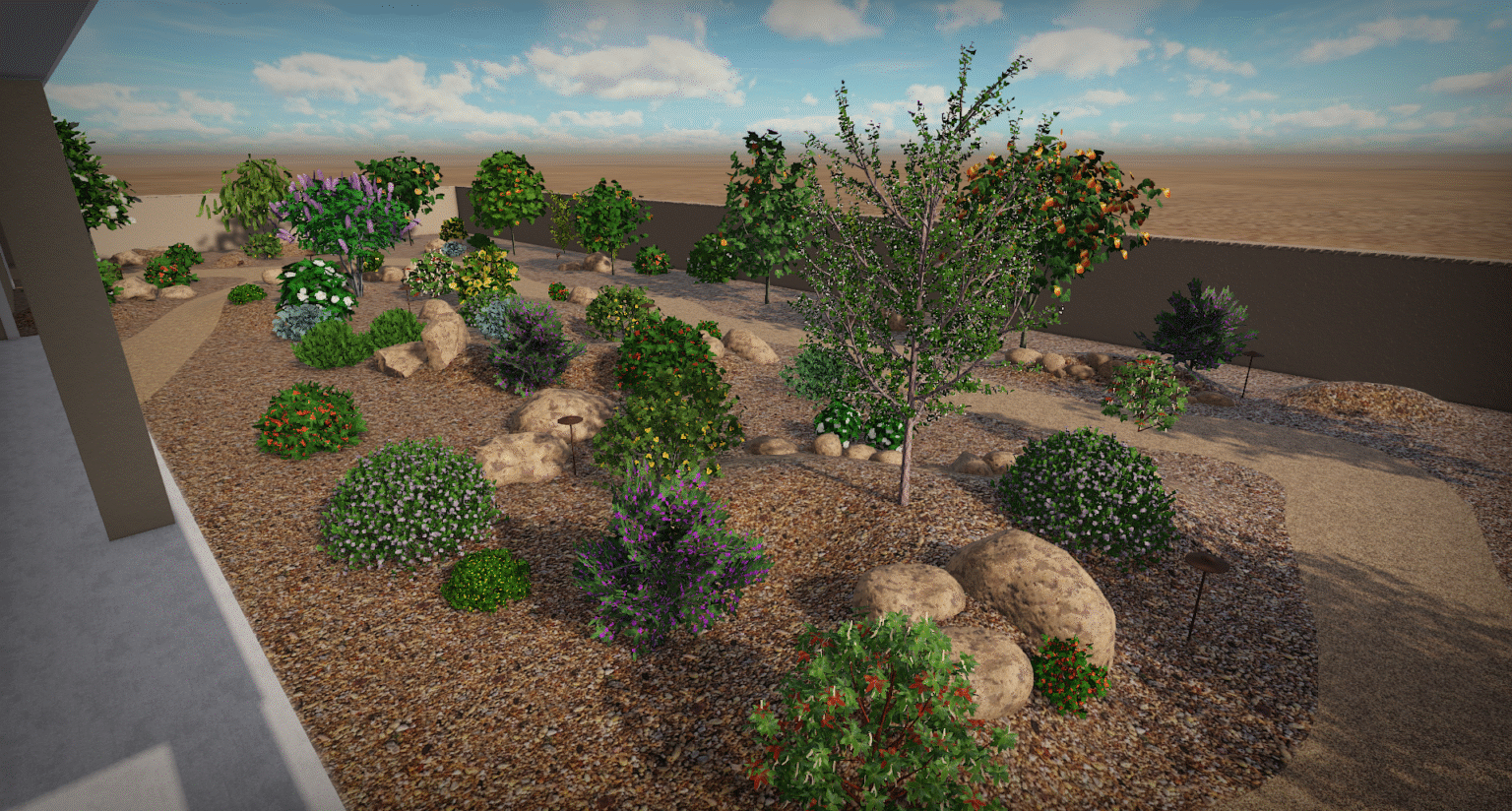
Good Tucson backyard landscaping is about more than plants. Think about shade for seating areas, paths that are easy to walk, and a mix of heights and colors. Put taller plants like palo verde where you’ll want shade, and use agaves or cactus near walkways for visual interest.
Our clients also love creating cozy spots with pavers, fire features, and lighting that make desert evenings even better. The goal is a space you actually enjoy using.
Beyond Tucson: Plant Choices in Nearby Areas
Many of these plants also do well in nearby communities, though conditions vary slightly. If you’re thinking about landscaping Oro Valley, keep in mind that higher elevations and foothill areas can see cooler winters and occasional frost. Hardy options like prickly pear, desert marigold, and agave tend to handle that well, while frost-tender plants may need protection or a warmer spot near a south-facing wall.
Mixing Plants With Low-Water Features
Plants are only one piece of a water-wise yard. Many homeowners also pair them with gravel, boulders, and a small patch of low-maintenance groundcover. For play areas or pet spaces, artificial turf Tucson families choose can add a green accent without needing a sprinkler. Used sparingly alongside native plants, it gives you a tidy look and keeps your overall water use low.
Ready to Create Your Desert Landscape?
Choosing the right plants is easier with local experience. At Legacy Landscaping and Design, we help Tucson homeowners design yards that are beautiful, practical, and built for our climate. Visit legacylandscaper to start planning your project.
Frequently Asked Questions
1. What is the easiest plant to grow in Tucson?
Prickly pear, brittlebush, and agave are very forgiving. Once established, they need little water and almost no maintenance.
2. When is the best time to plant in Tucson?
Fall and early spring are ideal. Cooler weather helps roots settle in before the intense summer heat arrives.
3. How often should I water native plants?
Water often at first while roots establish, then reduce gradually. Most native plants need only occasional deep watering once settled.
4. Do drought-tolerant plants attract wildlife?
Yes, many, like fairy duster, red yucca, and penstemon, attract hummingbirds, bees, and butterflies, making your yard livelier.
5. Can I mix native plants with gravel and pavers?
Absolutely, gravel, decomposed granite, and pavers pair beautifully with desert plants and help reduce weeds and water loss.